
Introduction:
Widowhood is a natural part of life. However, for many women around the world, it brings more than the loss of a spouse. It often brings financial hardship, social isolation, legal difficulties, and emotional struggles.
In many communities, widows must suddenly carry the full responsibility of caring for their families. At the same time, they may face discrimination, lack of support, and limited access to opportunities.
For this reason, empowering widows is not only an act of compassion. It is also a crucial step toward building stronger, fairer, and more inclusive societies.
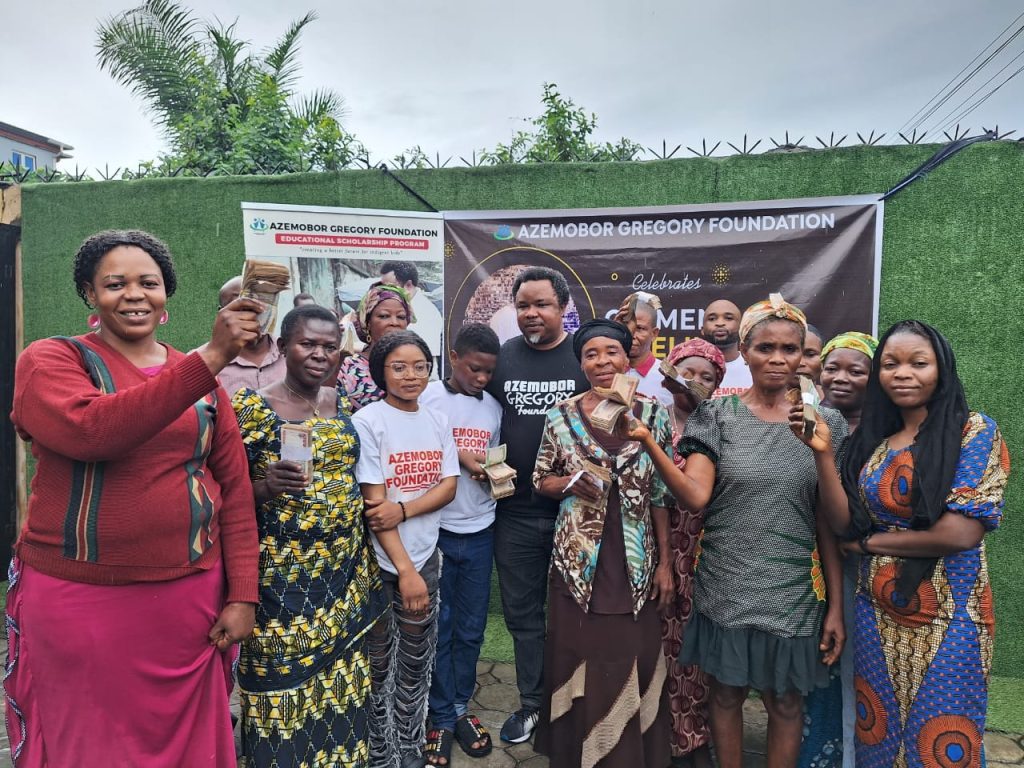
Organizations like the Azemobor Gregory Foundation work to support widows by providing opportunities that help them rebuild their lives with dignity and independence.
Economic Independence
One of the greatest challenges widows face is financial instability. When a spouse dies, many women lose their main source of income. This situation becomes even more difficult in communities where women have limited access to jobs or financial support.
Therefore, empowering widows economically is essential. Programs that provide education, vocational training, and small business support can help widows earn income and support their families.
When widows achieve financial independence, they not only improve their own lives. They also contribute to the economic growth of their communities.
Social Support
Widowhood can also lead to deep social isolation. In some cultures, widows face stigma and discrimination after losing their spouses.
Because of this, creating strong social support systems is very important. Community groups, counseling services, and social programs can help widows rebuild their confidence and reconnect with others.
Supportive communities allow widows to feel valued and respected again. As a result, they regain the strength to move forward with their lives.
Protecting Legal Rights
Many widows encounter serious legal challenges after the death of their husbands. These challenges often involve inheritance rights, property ownership, and access to family resources.
Unfortunately, some widows lose their homes or property because they are unaware of their legal rights.
Empowering widows therefore requires legal education and advocacy. Governments and organizations must work together to ensure that widows understand their rights and receive legal protection.
When legal systems protect widows, they gain the confidence to stand up for themselves and secure their future.
Health and Emotional Well-Being
Losing a spouse can cause deep emotional pain. Many widows struggle with grief, loneliness, and anxiety.
At the same time, limited access to healthcare can worsen their situation. Without proper support, emotional stress may affect both physical and mental health.
Providing widows with access to healthcare services, counseling, and mental health support is therefore essential. With proper care, widows can heal emotionally and rebuild their lives with renewed strength.
Education and Skills Development
Education plays a powerful role in empowering widows. When widows gain new skills and knowledge, they increase their chances of finding employment or starting small businesses.
Vocational training programs, literacy education, and entrepreneurship support can open new opportunities for widows.
Education also builds confidence. It allows widows to make informed decisions and take control of their futures.
Role Models for Their Children
Empowered widows often become powerful role models for their children. Their strength, determination, and resilience teach valuable life lessons.
Children who see their mothers overcome hardship learn the importance of hard work, education, and independence.
As a result, empowering widows creates a positive ripple effect. It strengthens families and helps raise a new generation that values resilience and self-reliance.
Conclusion
Empowering widows is not only a moral responsibility. It is also essential for reducing poverty, promoting gender equality, and building inclusive communities.
By addressing the economic, social, legal, and health challenges widows face, society can create opportunities for them to thrive.
Organizations like the Azemobor Gregory Foundation continue to play an important role in supporting widows and restoring hope in their lives.
When widows receive the support they need, they can rebuild their lives, support their families, and contribute meaningfully to their communities.
Dr. Azemobor Gregory
Founder/President
Azemobor Gregory Foundation